


Linguistic trips to Zaragoza: History, Culture and Wrokshops
From 3 Nights / 4 Days
What does it include?

Located in the Northeast of Spain and capital of the historical region of Aragon.
It is a medium-sized city, whose tourism has grown a lot in the last years thanks to the 2008 International Exposition on water.
An ideal destination for many of our groups from Europe. It is also compatible with other destinations such as Madrid or Catalonia.
The city and the region offer a wide variety of activities and interesting sites for our teenage students.


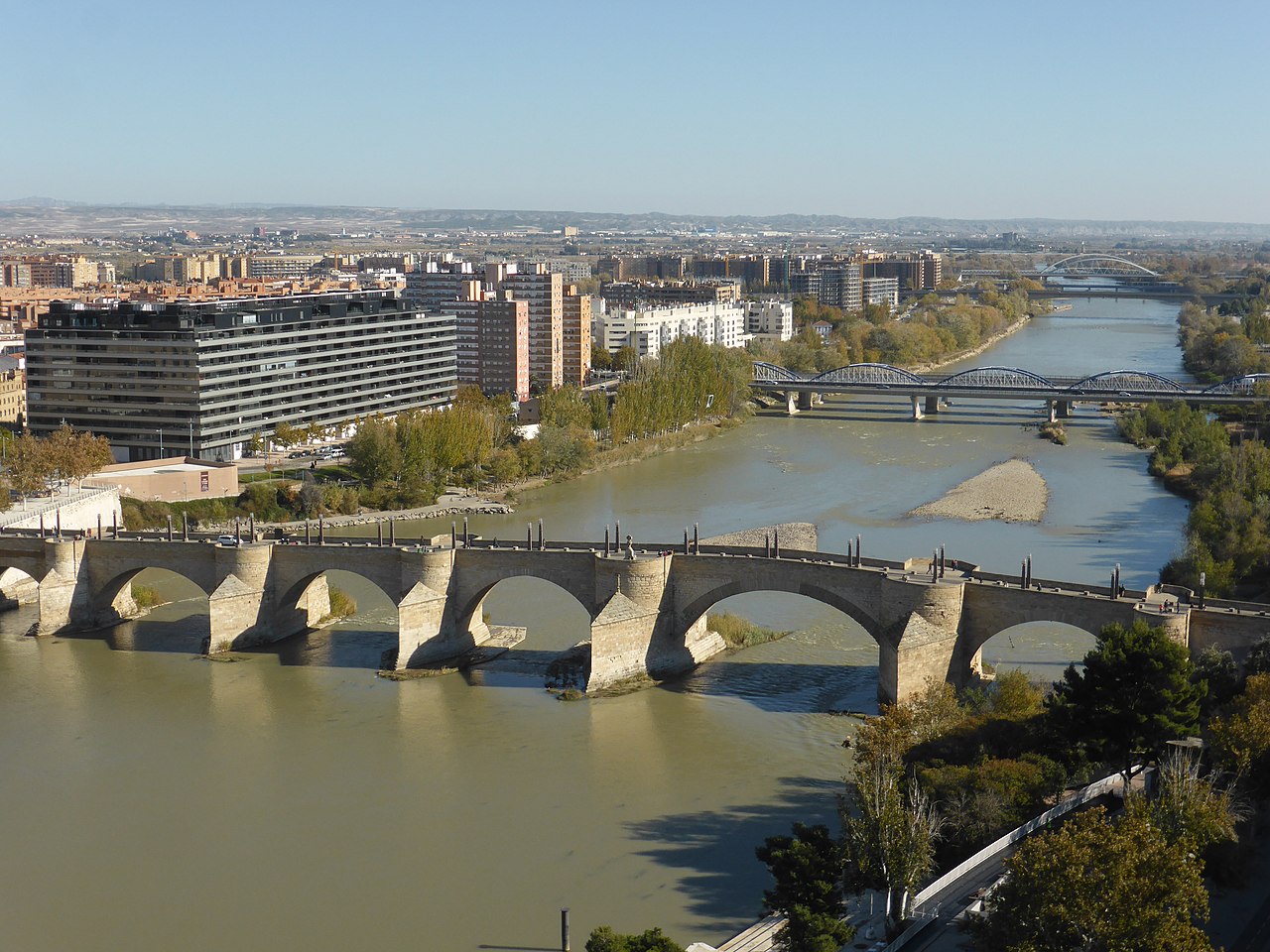
Zaragoza Desde El Cielo
Zona alojamiento en familias

Notes:
We organize customized programs for any number of participants and teachers.
These prices vary depending on activities and type of accommodation chosen.

According to legends and traditions, there used to be an old primitive chapel respected by Muslims, a previous Roman temple that burned down and a gothic church that was built in a more modern Baroque style in 1681.

As a result of the monument´s historical path, in the interior we find: Islamic-Hindu alcazar, Mudejar medieval palace, Catholic Monarchs´ palace, Inquisition prisons, Military headquarters and the headquarters for the Aragon courts.

It originates back to year I A.D. when a Roman dam was built on the Huerva river basin in order to regulate the city´s water supply from Caesaraugusta. Muel is known as Molle or ´´muelle´´ (pier).

Production of typical ceramic pieces from Muel.
Factory where groups know the entire process of creation of this typical Spanish product and they taste it.
Biosphere Nature and Reserve Park located in Arguedas, Navarra.
Built in the early XVIII century, Goya spent his first six years of life in this house. The house is still well preserved with its entire rustic and popular aspect. However, it was rebuilt in 1946 after the Civil War.
It was built in Loarre, Huesca during the XI century and is good condition that makes it one of Spain´s best examples of military and civil Romanian architecture.
Zaragoza´s first Christian cathedral was built over the Roman Temple, the Visigoth church and the main Muslim Mosque.
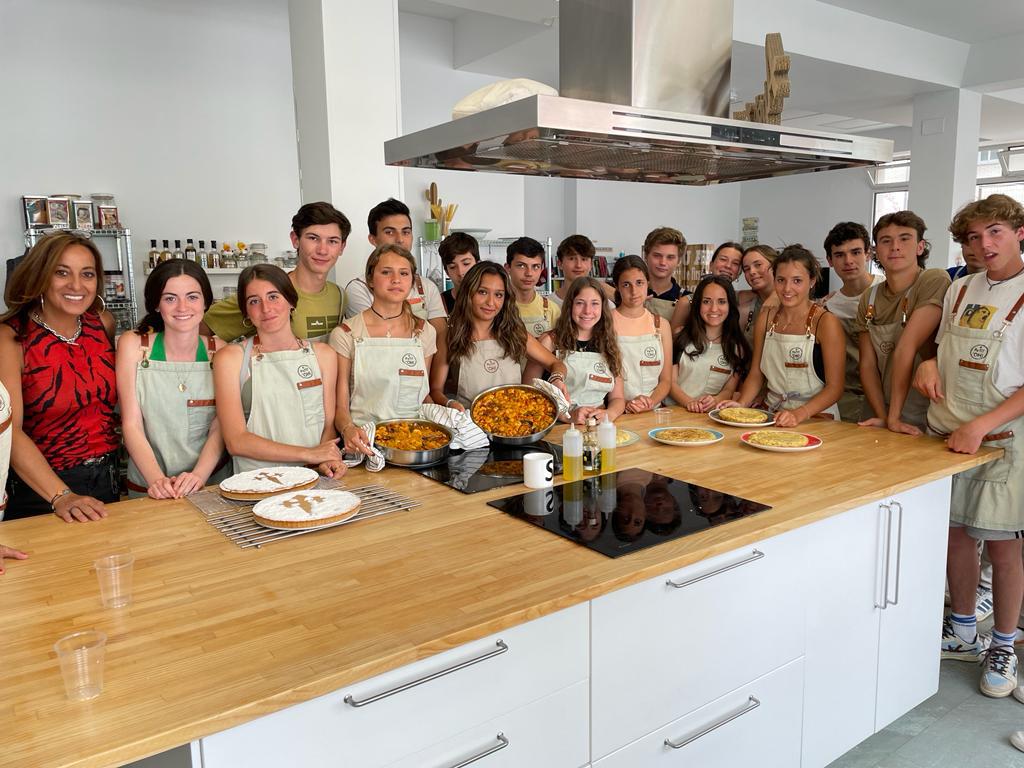
Groups cook different Spanish dishes and, then, they taste them.
The school has a modern space with different classrooms suitable for school groups.
Francisco de Goya was born here in 1746. Goya´s birth house from the XVII century, Exposition Rooms, Museum of sketches and engravings are among some of the interesting buildings. The city takes care of it heritage and patrimony and maintains the typical construction.
It was a Muslim fortress and was handed over to the Order of Cister during the Reconquista. The monastery was built during the Roman to Gothic Transition. The monks lived here for almost 700 years.
Fuendetodos shows its magical natural environment in a space different from any other interpretation center you might have ever visited. It makes an interactive entertainment and the sustainable use of the resources compatible.
It is located in the house of Jerónimo Cósida, a 16th-century Renaissance building, and has more than 800 works on display. In its various rooms, you can see everything from avant-garde art to watercolors, Renaissance and Baroque religious paintings and contemporary works, a collection of 18th and 19th century art, and drawings. One room is dedicated to Francisco de Goya.
Bike trip along the surrounding s of Zaragoza, Ribera del Ebro and the Water Exposition.
The first known news was about human existence in Belchite in the Cueva de los Encantandos between 1800 and 1300 B.C. This is an important place because of its archeological and speleologist value.
On this route, groups can relive Zaragoza's Roman past, exploring evocative sites that will take you on a genuine trip back in time: Roman Walls, Public Baths, Caesaraugusta Forum, Roman Theatre and River Port.
We organize trips to institutions, factories, enterprises or other relevant places for groups in relation to their training and knowledge of these places in Spain.
We organize trips to a high school so that our foreign students can share their experiences with Spanish students and learn about Spanish education system.


