


Linguistic trips to Santiago de Compostela: Spanish, St. Jame’s Way and University
From 3 Nights / 4 Days
What does it include?

Santiago de Compostela and Galicia are popular destinations for many foreigners who visit Spain.
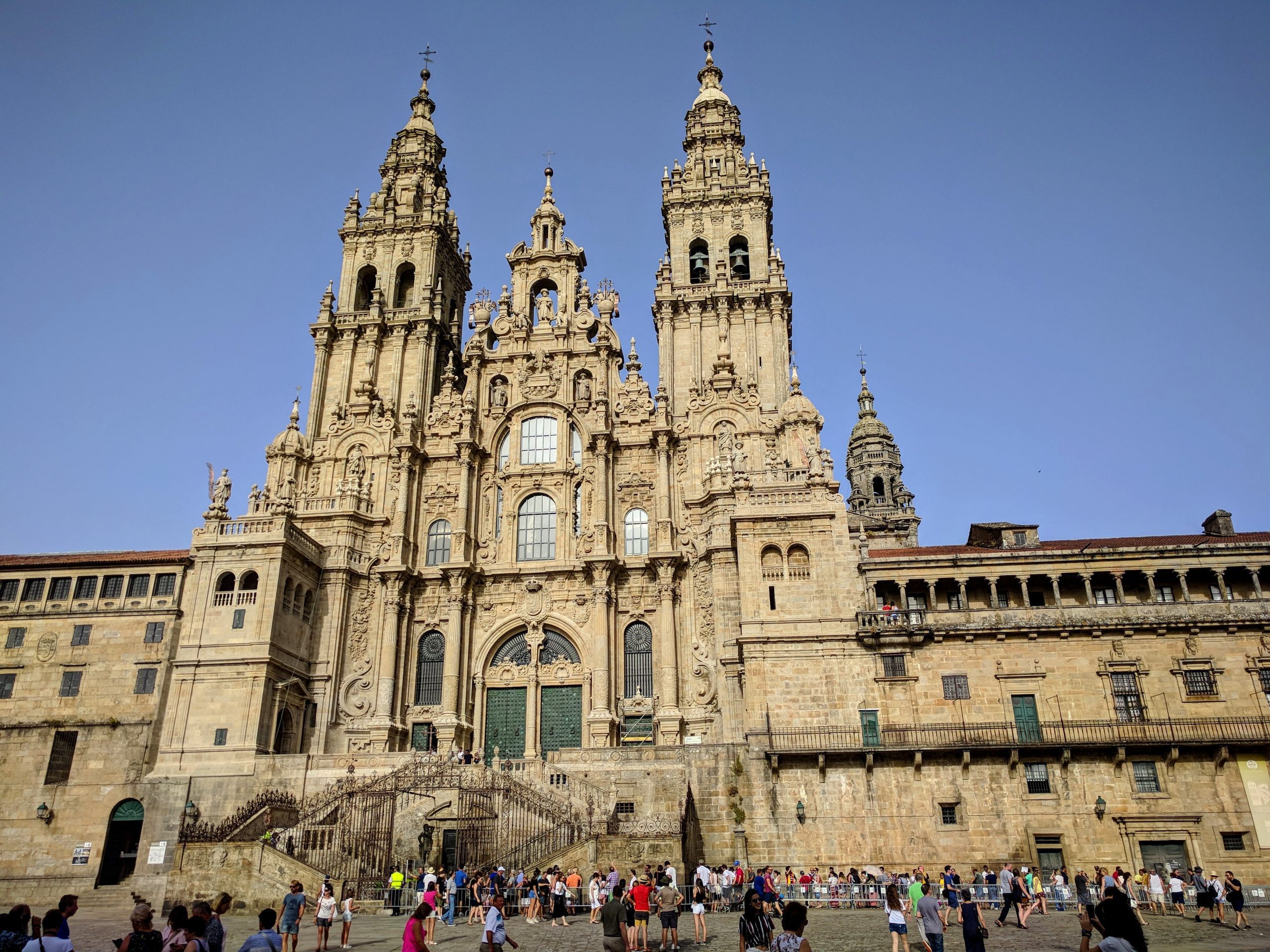
They are also highly appreciated by our students because, in addition to their monuments, such as the striking pilgrimage site of Santiago’s cathedral, they are the green areas of Spain, with charming villages and delicious food.
You also have the Galician people (Gallegos) who are very friendly and welcoming and in love with their land and traditions.
You can enjoy visits to the Cathedral, the historic buildings of the University and the Contemporary Art Museum.
Trips to Pontevedra, Combarro, Vigo, etc.


An Extraordinary Trip
Zona alojamiento en familias
Notes:
We organize customized programs for any number of participants and teachers.
These prices vary depending on activities and type of accommodation chosen.

The idea is to walk a part of the Camino de Santiago with your school friends. We organize this experience with all the necessary arrangements of accommodation and transport of backpacks.

Founded in 1495 by Lope Gómez de Marzoa, it is the university with the longest tradition in Galicia and one of the oldest in the world, with 500 years of history.

This school was commissioned by Archbishop Alonso de Fonseca, who converted the house where he was born for educational purposes. It opened in 1544 and was later used to house the University of Compostela, founded under the patronage of his family at the beginning of the century. Its Renaissance façade consists of two sections with Gothic statues in the intercolumniations and in the frieze niches. It currently houses the General University Library.

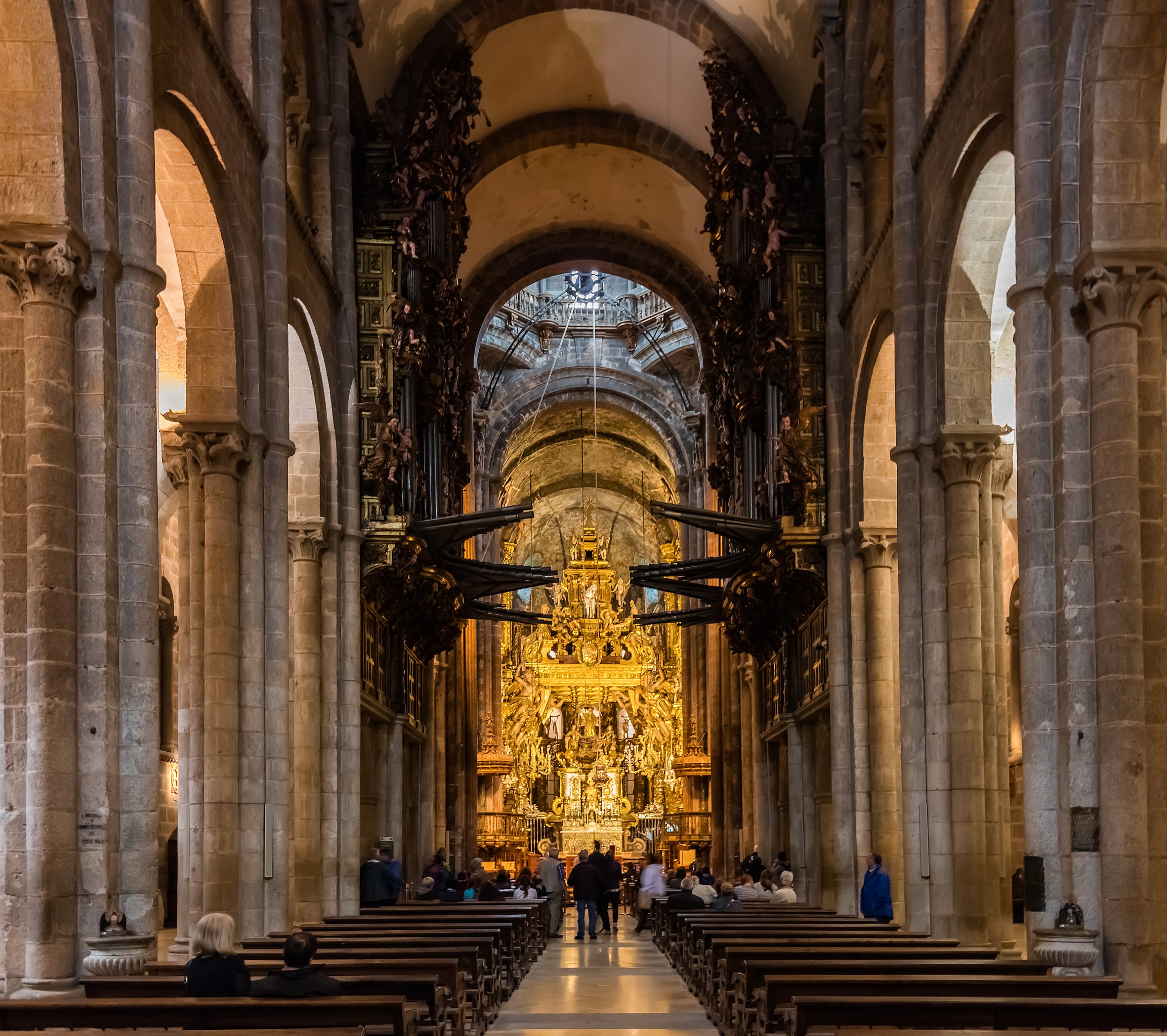
The Cathedral of Santiago is the last stop on the pilgrims' journey, and its monumental character makes it worthy of this distinction. It is a key work in the Romanesque style, where several architectural styles converge (Romanesque, Gothic, Baroque, Plateresque and Neoclassical). La Gloria portico is the main entrance. The figure of St. James the apostle appears to welcome the pilgrims, supported on a column rising from the mullion.
The Casa do Cabildo has a beautiful baroque façade. It was designed by the architect Clemente Fernández Sarela in 1758 and serves an ornamental function, enclosing and embellishing the Plaza de las Platerías. The Casa del Cabildo was Valle-Inclán's inspiration for his story 'Mi hermana Antonia'.
It is an impressive building where, in addition to the collection of the Arco Foundation, visitors can see works by contemporary Galician artists and a variety of temporary exhibitions related to the main trends in contemporary art.
The school has a modern space with different classrooms suitable for school groups.
Show performed in a typical setting. The show lasts about an hour.
Currently one of the most luxurious and beautiful hotels in the Paradores chain, the Parador de Santiago, known as the Hostal dos Reis Católicos, is located in the Obradoiro Square, near the Cathedral, creating an area of spectacular beauty. The hotel was built in 1499 as a royal hostel to accommodate pilgrims traveling to Santiago.
With an area of more than 20,000 square meters, the Monastery of San Martín Pinarius is the second largest religious monument in Santiago after the cathedral. Its main façade is in the Baroque style, as is most of the work, and is 100 meters long. The ancient church was founded in the 12th century, and the current church dates from the 17th century. It has an outstanding 16th-century Plateresque façade.
This museum highlights the importance of popular devotion to Saint James and the development of pilgrimage routes to his tomb, which began in the High Middle Ages, especially in Europe.
We organize trips to institutions, factories, companies or other places of relevance to groups, to help them with their education and knowledge of these places in Spain.
We organize visits to a high school so that our foreign students can share their experiences with Spanish students and learn about the Spanish education system.